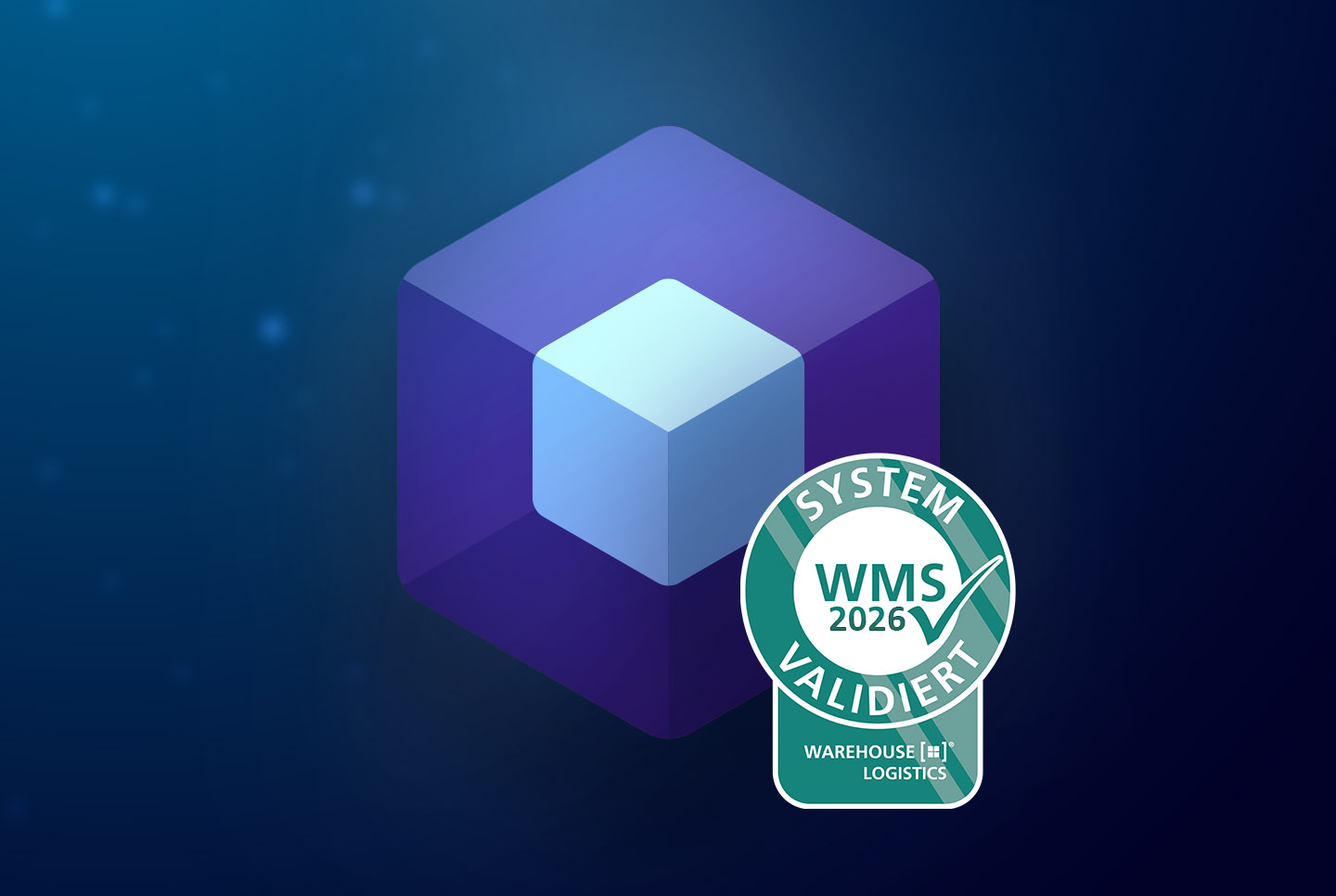
This is exactly where the "warehouse logistics" logistics IT platform, operated by the Fraunhofer Institute for Material Flow and Logistics IML, comes in. In 2026, PROLAG World was once again successfully validated by Fraunhofer IML and is listed in the logistics IT database with its current validation status.
For CIM, regular participation in this validation process has long been part of the ongoing development of PROLAG World. But what exactly does the validation seal stand for - and what concrete value does it offer companies searching for a WMS?
What does Fraunhofer IML's WMS validation mean?
Fraunhofer IML has operated the vendor-independent "warehouse logistics" platform since 2000. Its goal is to bring transparency to the complex market for logistics IT systems and give companies a solid basis for comparing different solutions.
To this end, the "warehouse logistics" team reviews the specifications and performance descriptions of the listed systems every year. The review is based on an extensive questionnaire that, depending on the system category, covers between roughly 1,000 and 3,700 functional features.
Only after passing this review does a logistics IT system receive the current validation seal.
For companies, this means the information on a WMS in the database is not based solely on the vendor's own claims, but has been verified through a structured process.
Why does independent WMS validation matter when selecting a system?
The market for warehouse management systems is large, and at first glance, many performance descriptions look similar. Terms like flexible processes, automation, integration, or scalability appear in the marketing of numerous vendors.
For an actual logistics project, however, this level of detail is not enough.
What matters, for example, is:
- Does the WMS support the warehouse and material flow processes actually required?
- Which requirements are already covered by the standard system?
- How can existing systems and equipment be integrated?
- Does the software also support more complex or future process requirements?
- What functions are available for the specific requirements of a given company?
This is exactly where the "warehouse logistics" WMS Online Selection tool comes in. Companies can define requirements and knockout criteria there and compare logistics IT systems functionally. Fraunhofer IML describes the platform as one of the leading portals for the functional comparison of logistics IT systems. Currently, around 80 warehouse management systems can be compared through it.
Naturally, a database like this doesn't replace a detailed analysis of a company's own processes and requirements. It can, however, help companies take a more systematic look at the market and put initial shortlisting on more solid ground.
PROLAG World: validated against current requirements
Even an established functional scope doesn't stay static. Warehouse processes change, new technologies emerge, and the demands on connecting logistics, production, and transportation keep growing.
The validation process is developed further to keep pace with these changes.
In the 2026 validation round, PROLAG World's review focused, among other things, on artificial intelligence, production, and resource planning. New extensions and questions—for example, in the area of proof of delivery—were also taken into account.
As a result, the current validation addresses topics that are becoming increasingly relevant to the further development of modern warehouse management systems.
For CIM, this is exactly the point that matters: PROLAG World is continuously developed further, and new functions and technological developments must be guided by concrete requirements from warehouse operations and intralogistics.
A validation seal doesn't replace WMS selection - but it makes it more transparent
A seal alone doesn't answer the question of which warehouse management system is right for a given company.
The right solution always depends on a company's individual starting point - from warehouse structure and industry to the level of automation, item and order structure, existing IT landscape, and planned future developments.
Fraunhofer's validation therefore serves a different, equally important purpose: it creates transparency and comparability on a functional level.
This matters especially for an investment decision with long-term implications. It gives companies an additional source of information they can use to put vendor claims into context and match requirements against available functions in a more structured way.
Anyone currently evaluating a new warehouse management system will find additional criteria and guidance for a structured selection process in our article "How Do I Choose the Right WMS for My Company?"
Continuous development - regularly reviewed
The fact that PROLAG World once again carries the Fraunhofer IML validation seal in 2026 is more than an annual formality to us.
This renewed successful validation documents a currently reviewed functional scope and allows companies to compare PROLAG World with other systems within an independent logistics IT database.
In a market where technologies and requirements are constantly changing, this regular review is critical.
After all, what matters with a warehouse management system isn't just what the software delivers today - it's also how consistently it continues to be developed.